Queens Fix Each Other’s Crowns Women
A Designer’s First Look: Grace, Clarity, and Quiet Confidence
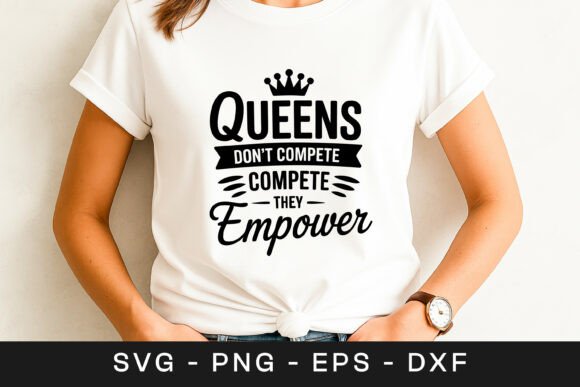
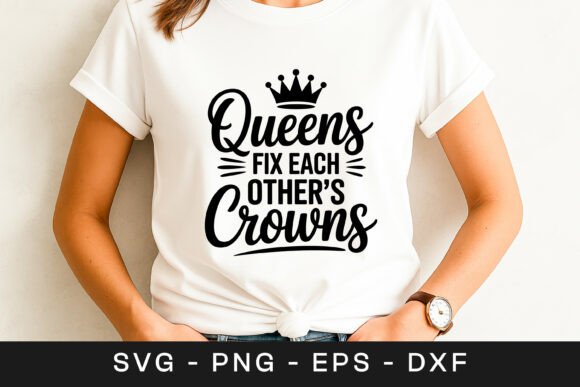
When Queens Fix Each Other’s Crowns Women landed in my inbox, I paused—not because it shouted for attention, but because it invited quiet consideration. As an embroidery designer who’s stitched hundreds of quote-based pieces for small businesses and custom clients, I know how easily inspirational text can tip into cliché or visual clutter. This one doesn’t. The layout breathes: balanced spacing, gentle curve to the line, subtle crown motifs framing the phrase without overwhelming it. It feels intentional—not decorative for decoration’s sake, but symbolic in service of meaning. That matters deeply when you’re translating a digital embroidery file into a finished product that sits on a tote bag, rests against a baby’s cheek, or becomes part of a boutique’s seasonal collection.
Real-World Test: A Custom Embroidered Tote for a Local Women’s Collective
Last week, I used Queens Fix Each Other’s Crowns Women on a natural canvas tote for a local women’s leadership group. We chose a medium-weight cotton twill—sturdy enough for daily use, soft enough to hold fine detail. I ran the design at 4.2” wide, centered on the front panel. The result? Clean satin stitch lettering with just enough weight to read clearly from three feet away, and delicate crown accents that stitched out crisply—not fussy, not fragile. Customers commented on how “calm but powerful” it felt—no shouting, no glitter, just quiet resonance. That’s the sweet spot: a machine embroidery design that supports the message instead of competing with it.
Where It Shines—and Where It Asks for Thoughtful Handling
Queens Fix Each Other’s Crowns Women works beautifully across a range of handmade products:
- Custom apparel: Sweatshirt embroidery gains warmth and intentionality—especially on charcoal or heather gray fabric where thread contrast lifts the phrase without harshness.
- Personalized gifts: As a baby embroidery piece on a muslin swaddle or organic cotton onesie, it reads softly and thoughtfully—ideal for gender-neutral nursery decor or early childhood milestones.
- Small shop merchandise: On tea towels, aprons, or pillow covers, it adds brand-aligned authenticity for makers whose ethos centers on community, care, and mutual uplift.
- Embroidered patch: When digitized with clean underlay and moderate stitch density, it holds up well as a sew-on or iron-on accent for denim jackets or backpacks.
But real-world stitching demands honesty—not every surface is forgiving. Use caution with:
- Stretchy fabric: Like knits or lightweight jersey—this design relies on stable letterforms. Without proper cutaway stabilizer and careful hooping, the crowns may distort.
- Tiny hoop sizes (under 4”): Scaling down too far risks losing definition in the crown details and thin letter strokes. Test first at your target size.
- Textured or napped fabrics: Terry cloth, fleece, or heavy linen can swallow fine satin stitch edges. Consider simplifying crown elements or opting for bolder fill stitch variants.
- Dark fabric + light thread: While elegant, white or pale gold thread on black requires precise tension control and often a topping stabilizer to prevent fabric fuzz from breaking through.
What It Adds to Your Craft Business—Beyond the Stitch
As an Etsy seller and digital embroidery file provider myself, I pay close attention to how a design affects buyer trust and perceived value. Queens Fix Each Other’s Crowns Women elevates a simple tote or sweatshirt into something emotionally legible—a signal to customers that this isn’t mass-produced sentiment, but curated intention. That translates directly to pricing confidence, repeat buyers, and social shares. It also fits seamlessly into printable mockups for product listings, lending professionalism without requiring complex layering or background effects. For craft fair vendors or boutique owners, it’s a ready-made story-starter—people ask about it, connect with it, remember it.
Practical Notes Every Embroidery Designer Should Run Through
Before committing to a client project or bulk production, I always do these checks with any new embroidery file:
- Test on scrap fabric first—same type, same color, same stabilizer combo you’ll use in production.
- Review stitch density in your software. Overly dense fills can cause puckering on lightweight items; too sparse risks thread breakage or poor coverage.
- Check thread color contrast across both light and dark fabric backgrounds—not just on screen, but in physical thread samples.
- Confirm licensing terms before selling finished products or bundling the digital embroidery file. Since it’s listed as a Graphics asset for crafters and designers, clarify whether commercial embroidery rights are included.
- Inspect small details like crown prongs or inner curves—they’re often where stitching stumbles if digitization wasn’t optimized for low-density satin work.
- Try a black-and-white mockup to assess visual hierarchy and readability without color distraction.
Final Thought: A Design That Supports, Not Overshadows
Queens Fix Each Other’s Crowns Women isn’t flashy—but it doesn’t need to be. In a landscape crowded with over-digitized quotes and trend-chasing motifs, its restraint is its strength. It respects the fabric it lives on, the hands that stitch it, and the people who carry its message. Whether you’re building a craft business, launching a small shop product line, or creating a personalized gift with emotional weight, this embroidery design delivers clarity, cohesion, and quiet impact. Just remember: even the most thoughtful machine embroidery design asks for thoughtful execution. Match its intention with your care—and it’ll reward you in stitch count, customer connection, and creative pride.