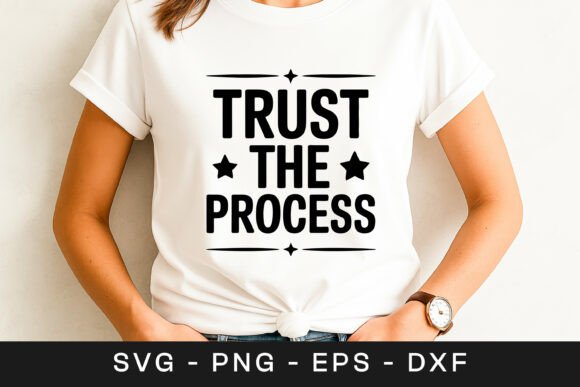
Trust the Process Inspirational Quote Graphics for Crafts
As a graphic designer who’s built brand identities for over a dozen handmade businesses—from ceramic studios to slow-fashion labels—I recently evaluated Trust the Process Inspirational Quote for a real client project: a seasonal wellness launch for a small-batch herbal tea brand. The goal? A cohesive visual language that felt grounded, intentional, and quietly confident—not trendy, not forced, but deeply aligned with their “slow craft, mindful ritual” ethos. This is where Trust the Process Inspirational Quote landed—not as filler text, but as a subtle anchor in their packaging design, social media graphics, and printable ritual cards.
A First Impression That Feels Human, Not Algorithmic
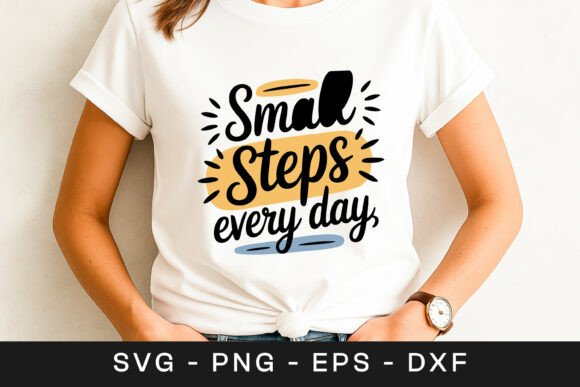
The moment I opened the SVG and PNG files, I noticed what many designers miss in inspirational quote assets: restraint. No excessive shadowing, no over-rendered gradients, no competing decorative flourishes. The typography leans into a warm, slightly imperfect sans serif—clean enough for modern design, yet soft-edged enough to avoid sterile minimalism. It breathes. It doesn’t shout. That tonal balance makes it unusually versatile: it reads as sincere on a linen tea bag label, elegant in an Instagram carousel post, and grounded in a Canva template for workshop handouts.
Where It Elevates Real Client Work
In practice, Trust the Process Inspirational Quote shines brightest when supporting—not leading—the visual narrative. For our tea brand, we placed it subtly along the bottom edge of product mockups (mugs, tote bags, gift boxes), sized to complement—not dominate—the logo lockup. It functioned as emotional punctuation: reinforcing brand voice without repeating messaging. We also used the SVG vector cleanly in Cricut projects for custom sticker sheets included in subscription boxes—crisp at any scale, editable for color matching across seasonal palettes.
It performs exceptionally well in these contexts:
- Printable design for ritual guides, affirmation cards, or workshop workbooks—especially when paired with neutral textures (kraft paper, off-white linen)
- Packaging design as secondary messaging on labels, belly bands, or tissue wrap
- Social media graphics layered over soft-focus product photography (not busy backgrounds—more on that below)
- Merchandise for sublimation mugs, cotton totes, and enamel pins—thanks to clean vector paths and generous spacing between letters
- Editorial design within blog posts or email newsletters for handmade businesses seeking authentic connection
Where Caution Is Essential
This isn’t a universal drop-in asset. Its warmth becomes a liability in high-contrast or ultra-minimalist environments. On pure black backgrounds, the standard gray tone loses legibility unless adjusted—so always test in black and white first. At under 24pt, readability suffers due to subtle letter spacing; avoid using it for small stickers or QR code accompaniments. And crucially: it clashes with corporate branding—think law firms or fintech startups—where “inspirational” reads as unprofessional. It belongs to the world of creative marketplace sellers, Etsy product listings, and small business branding—not boardroom decks.
Design Judgment in Action: What You Must Test Before Use
Before clearing Trust the Process Inspirational Quote for client work, I run five practical checks:
- Contrast check: Preview on both light and dark mockups—especially if your client uses variable background colors across web and print
- Scale test: Resize the SVG down to 16px and up to 2400px—confirm crisp edges at both extremes
- Transparency audit: Open the PNG in Photoshop—verify clean alpha channel (no halo, no anti-alias bleed) for seamless layering
- Font harmony test: Drop it beside your client’s primary typeface—does it complement serif, sans, or script? It pairs best with humanist sans serifs (like Poppins or Inter) and avoids competition with bold display fonts
- Licensing verification: Confirm commercial license covers digital resale (e.g., Canva templates), print-on-demand (Redbubble, Printful), and physical goods (Etsy stickers, t-shirt design)—many “free” assets exclude these
Why It Works for Creative Professionals—Not Just Crafters
Let’s be clear: this isn’t just clipart for Cricut hobbyists. As a graphic design asset, Trust the Process Inspirational Quote delivers professional-grade flexibility. Its vector foundation supports precise alignment in brand identity systems. Its intentional negative space allows for thoughtful visual hierarchy—never crowding logos or calls-to-action. And because it carries quiet emotional resonance—not forced positivity—it builds trust with audiences who respond to authenticity over hype.
For content creators building digital products, it slots naturally into Canva templates for coaches and creatives. For marketers running Pinterest campaigns, its balanced weight and rhythm generate higher engagement than overly stylized quotes. For publishers designing editorial spreads, it adds warmth without sacrificing typographic integrity. Even in web design, it functions elegantly as a hero section subtitle—paired with strong imagery and ample breathing room.
Final Verdict: A Thoughtful Asset, Not a Trendy Shortcut
Trust the Process Inspirational Quote earns its place in my working toolkit—not because it’s flashy, but because it’s reliable. It respects the viewer’s intelligence. It supports brand voice instead of overriding it. And it bridges the gap between handmade charm and polished creative design. When used intentionally—as part of a considered system, not as standalone decoration—it strengthens visual trust, deepens audience connection, and elevates the perceived value of everything it touches. For designers serving small businesses, creative entrepreneurs, and values-driven brands, this is exactly the kind of graphic design asset that quietly does heavy lifting.